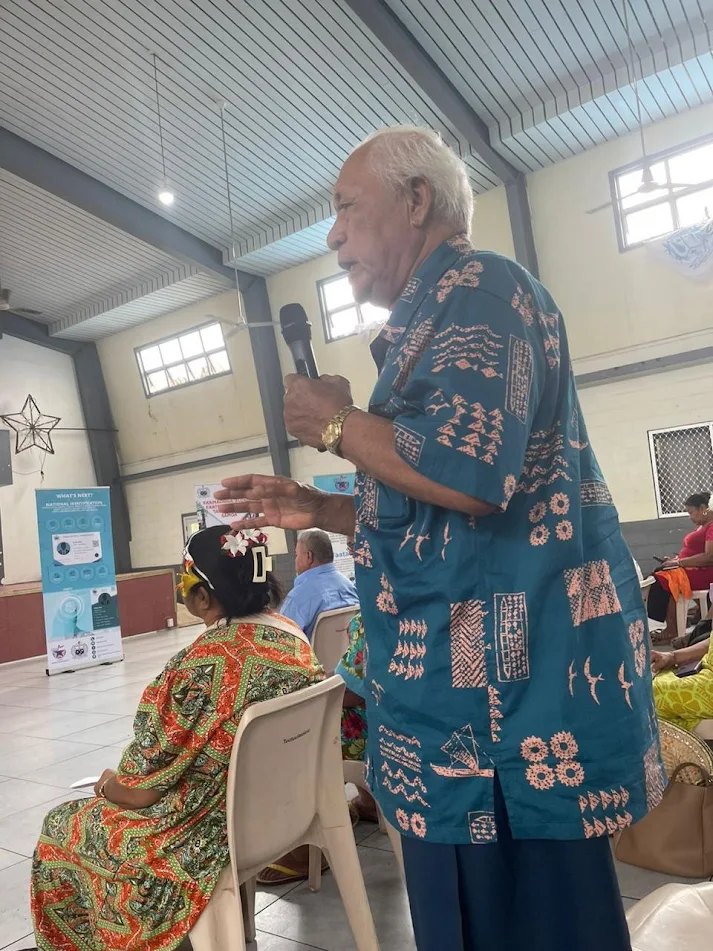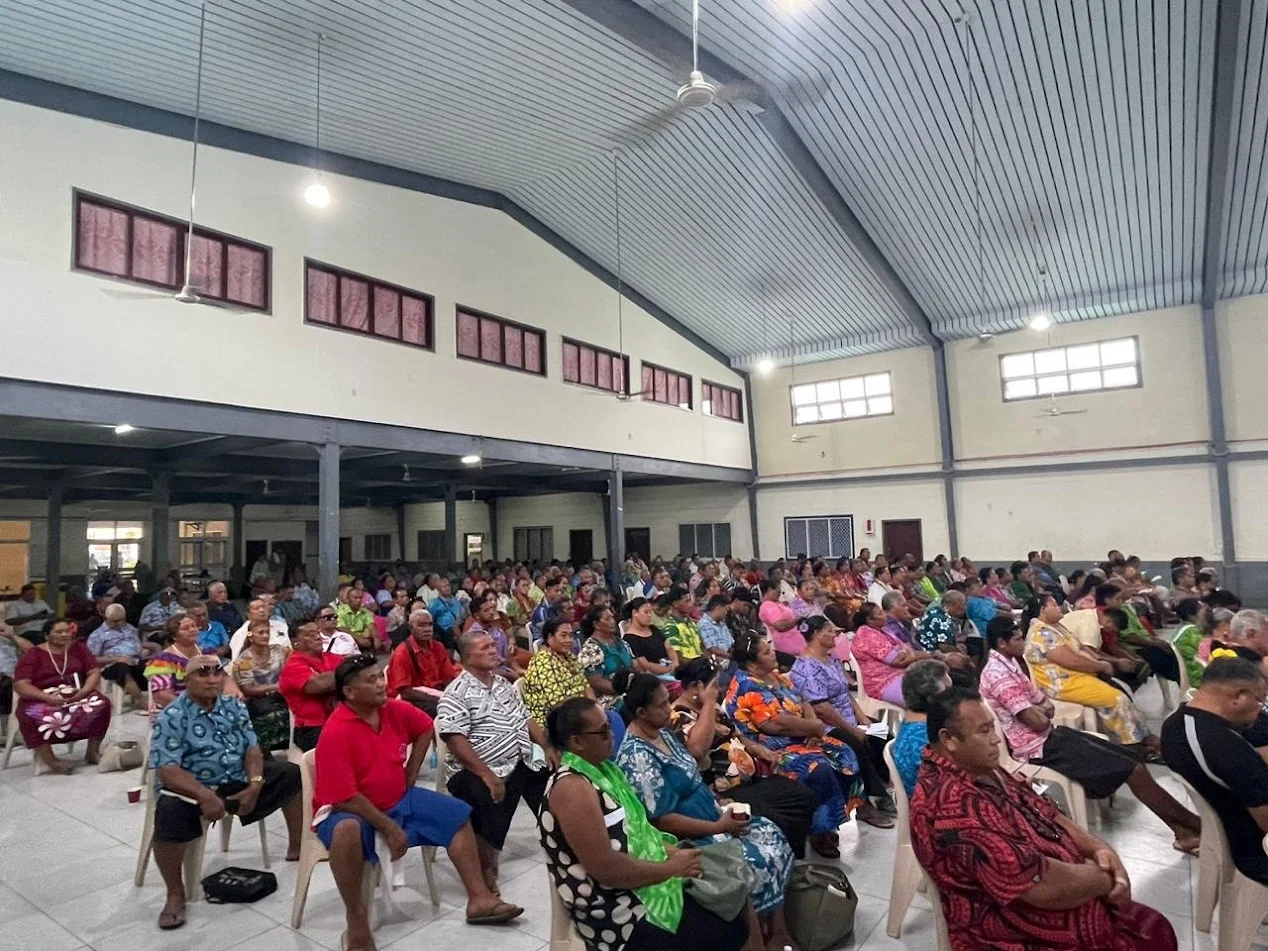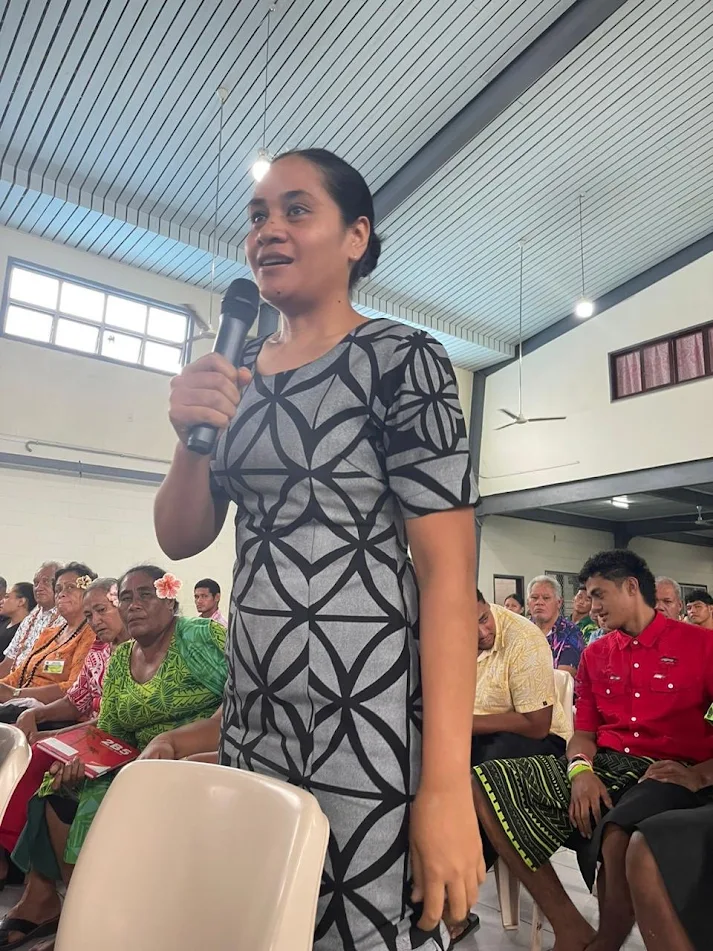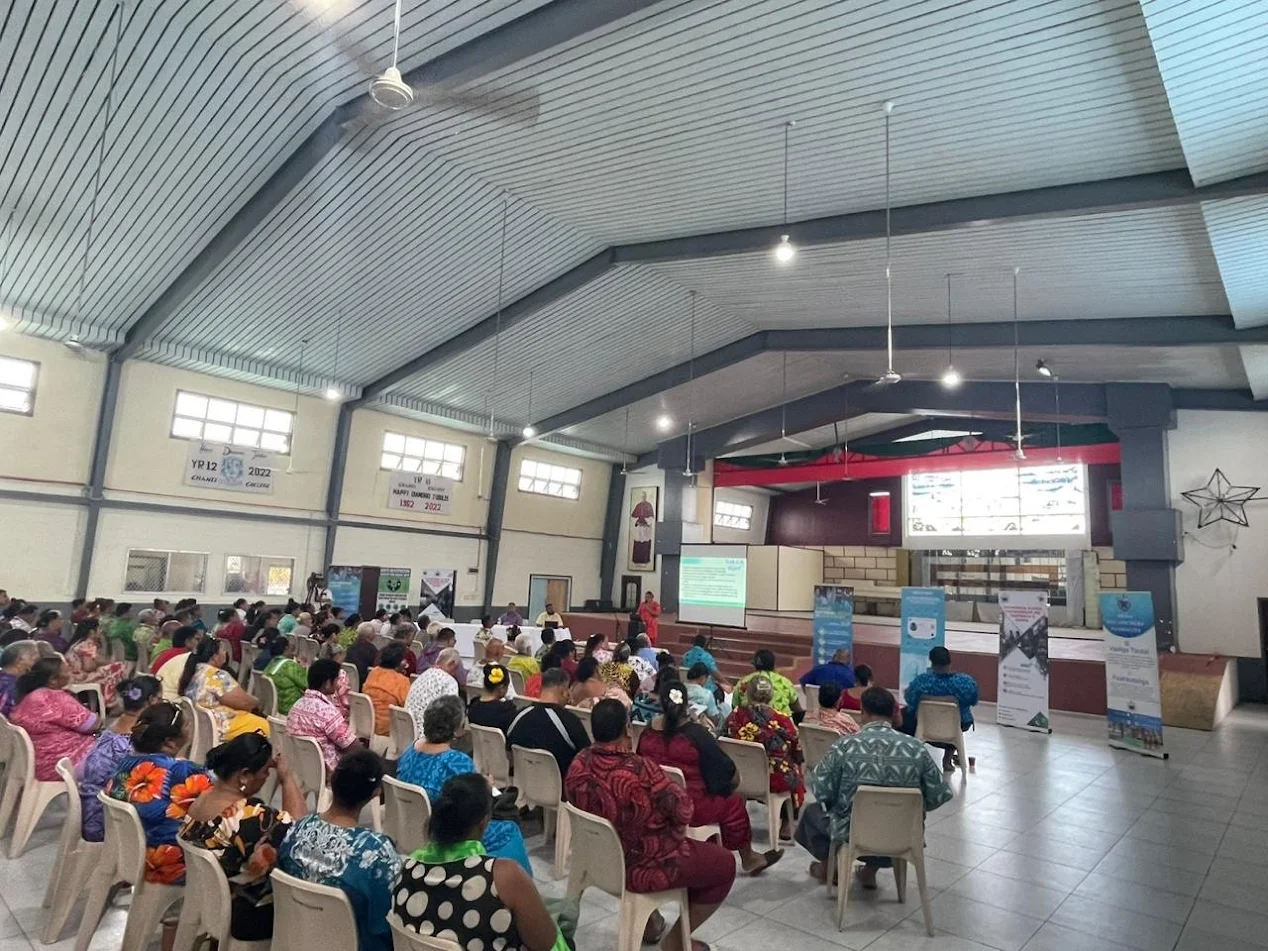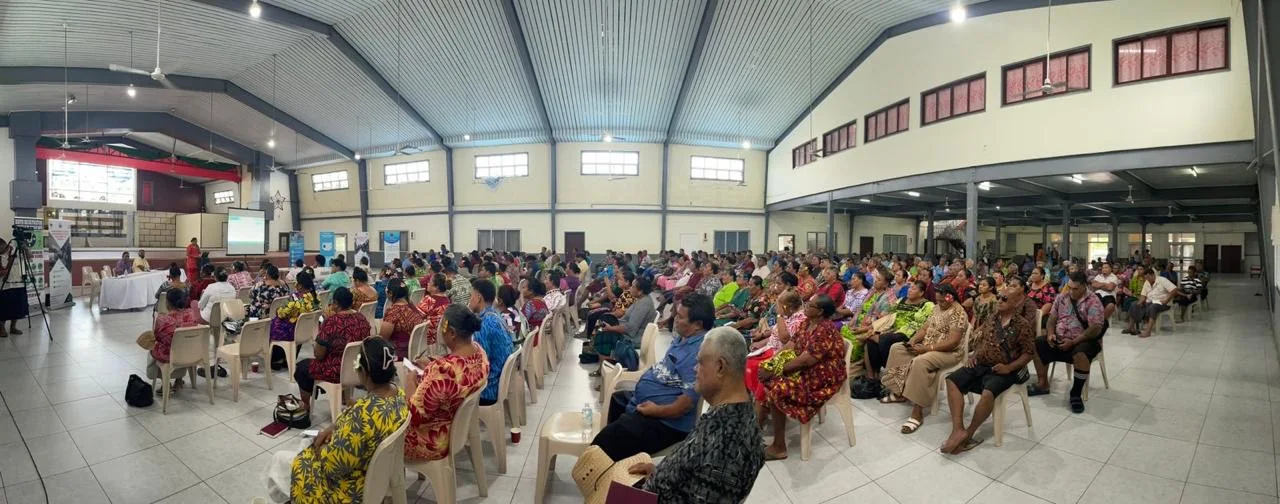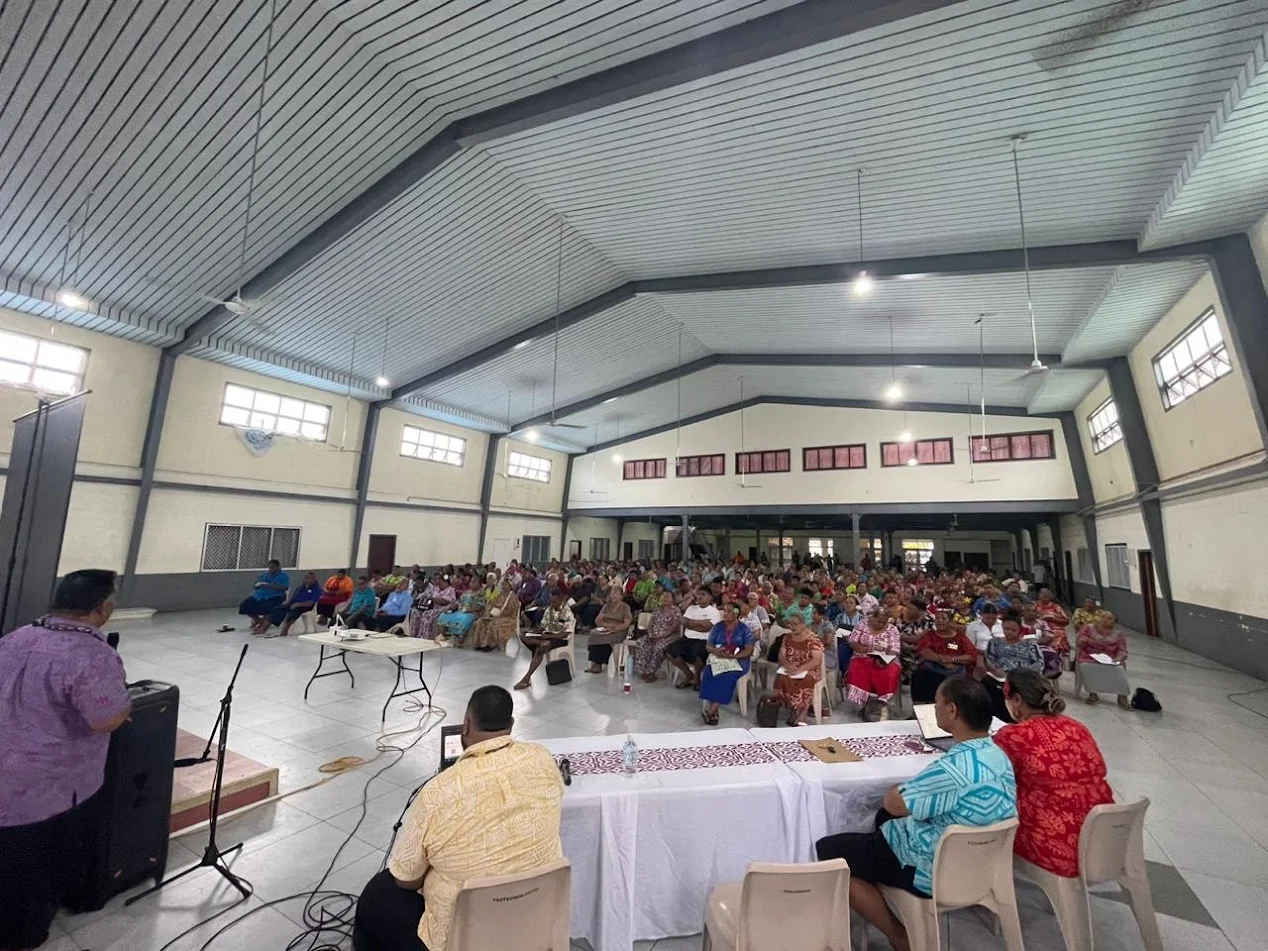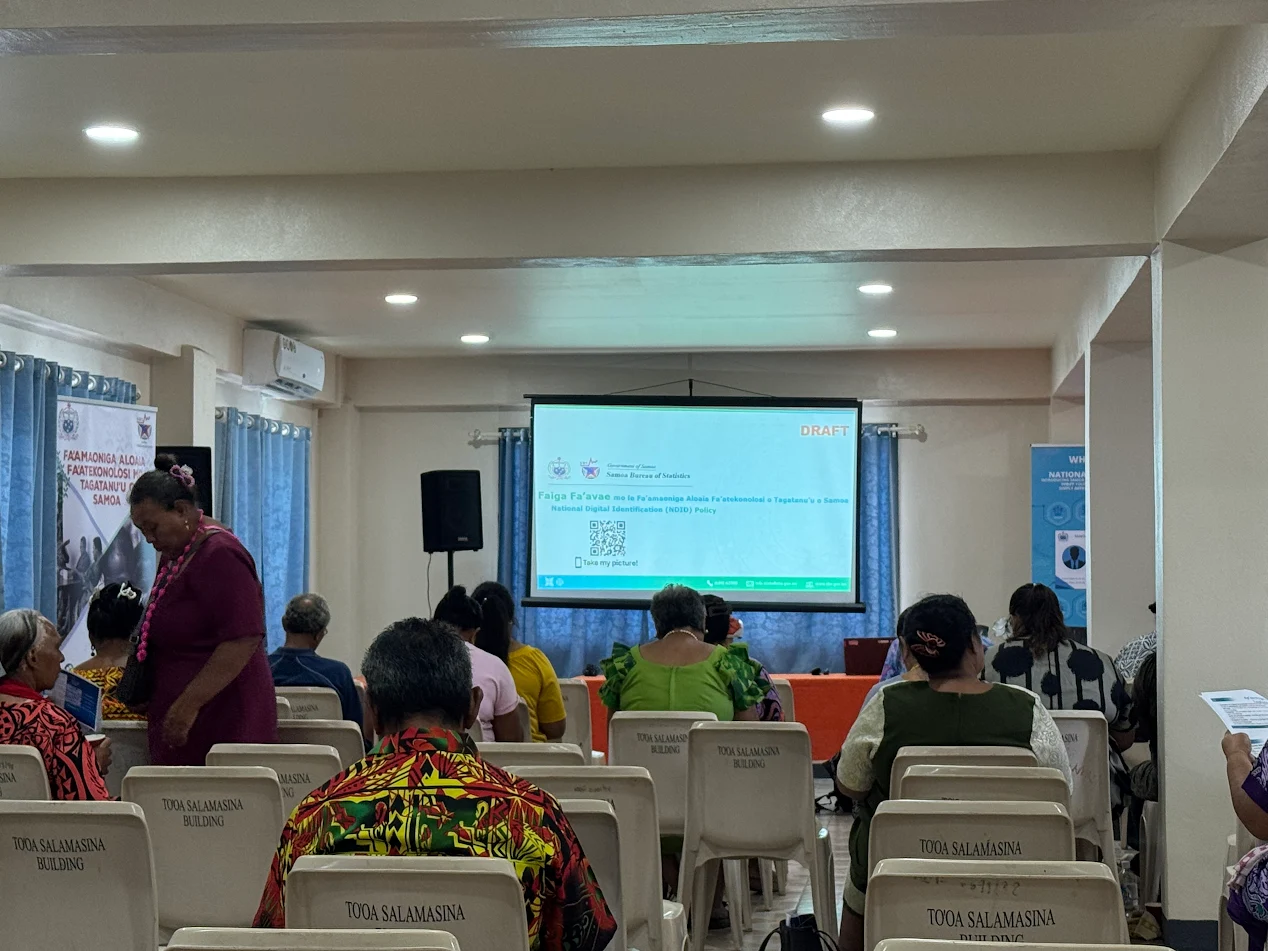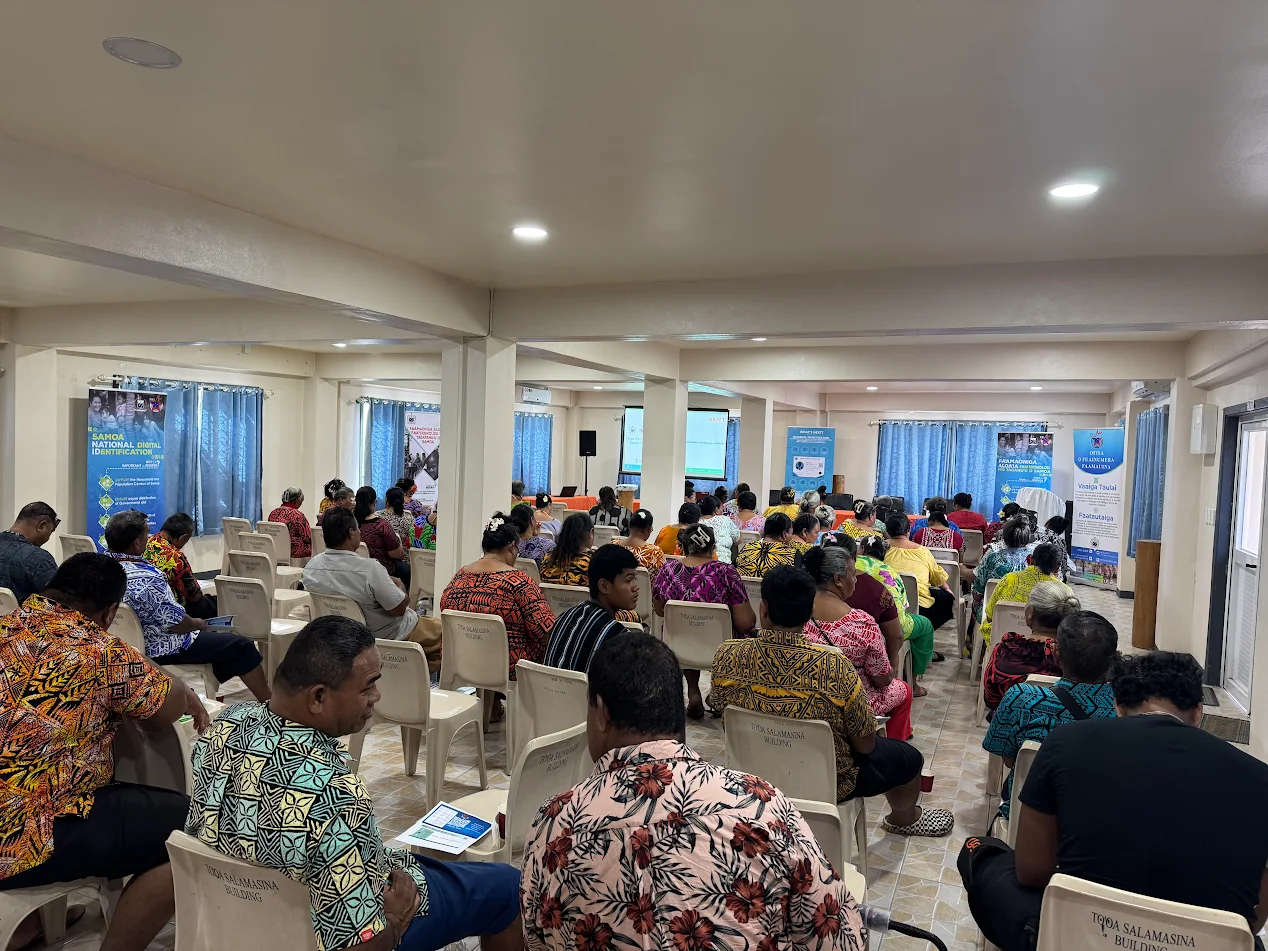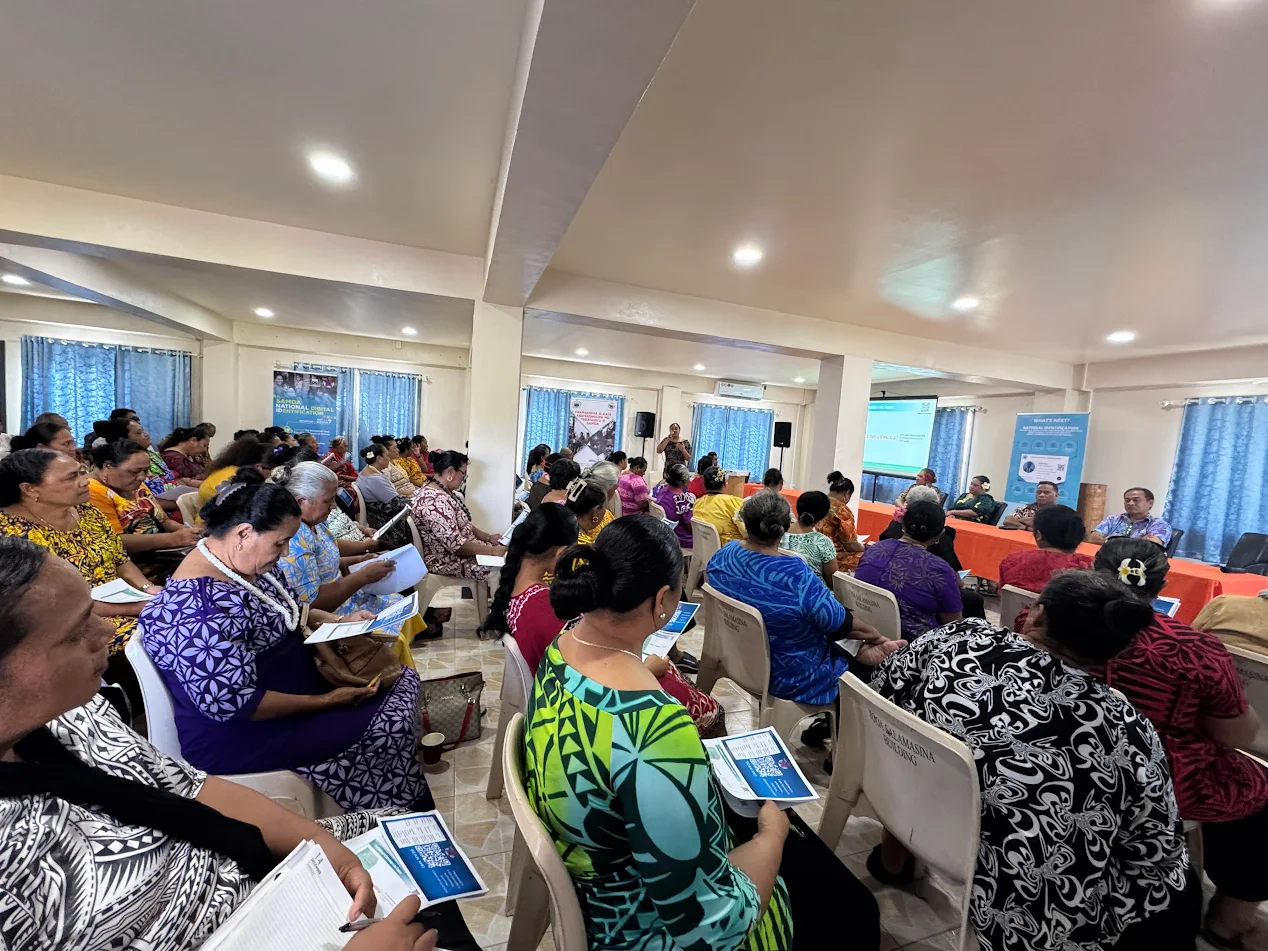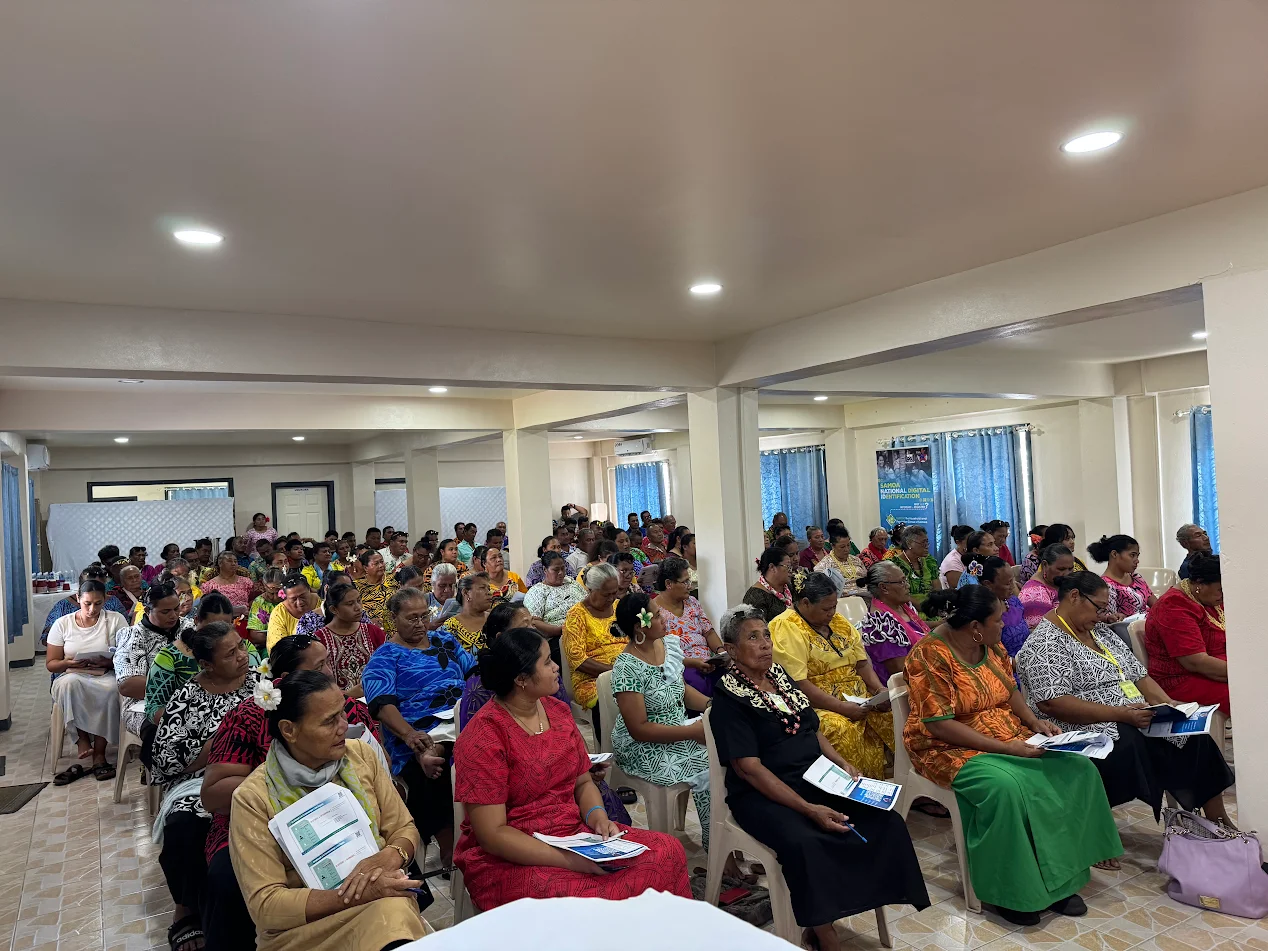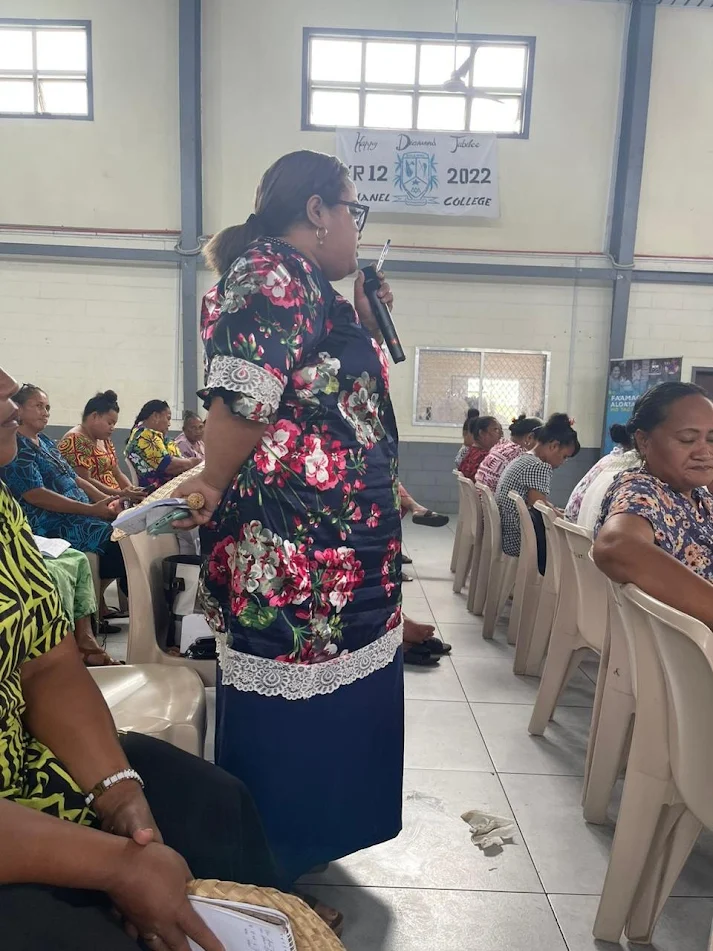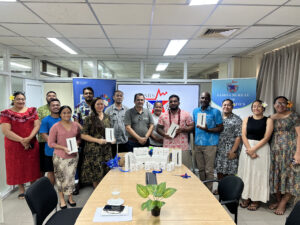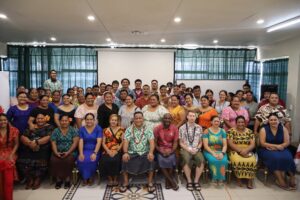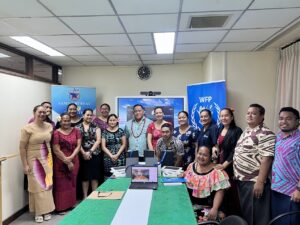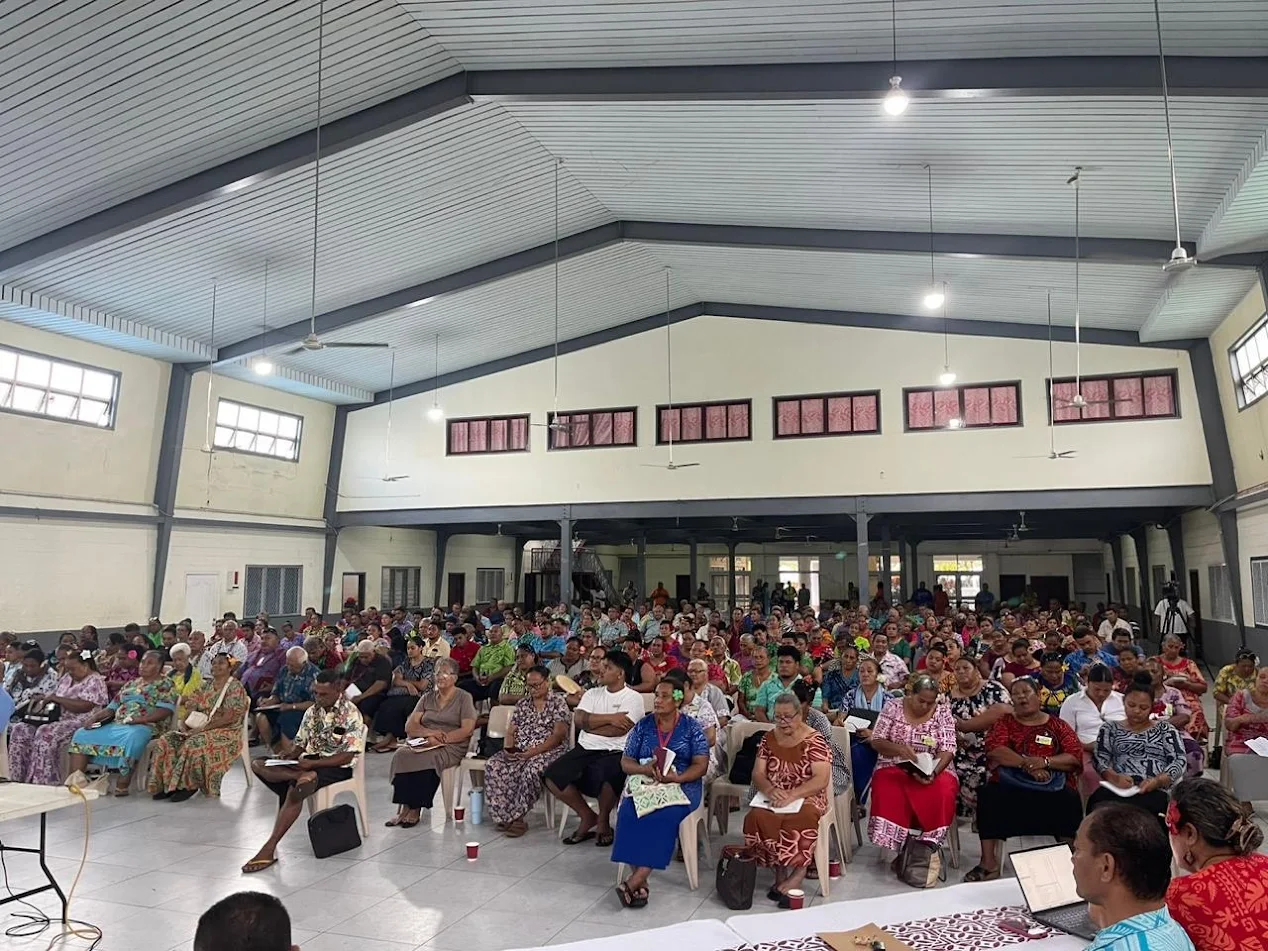
Community consultations were held with Sui o Nu’u (SN), Sui Tamaitai o Nu’u (STN), and youth representatives in both Upolu and Savaii. Participants shared practical insights grounded in their lived experiences of accessing services, navigating documentation requirements, and supporting diverse community needs, including elders, youth, and persons with disabilities. Their feedback reflected strong interest in the NDID system and a genuine desire to understand how it will support families, improve service delivery, and address long-standing challenges in identity documentation.
A major focus of the discussions centered on birth registration, which many identified as a consistent pain point for rural households. Participants highlighted barriers such as transport constraints, limited access to registration services, and the additional difficulties faced when caregivers—particularly persons with disabilities—are required to travel to complete birth registrations. Adoption cases were also noted as an area where families frequently encounter complex documentation requirements and delays. These concerns underscored the importance of ensuring that foundational identity systems are inclusive, accessible, and responsive to the unique circumstances of every family.