
𝗧𝘂𝘀𝗶𝗴𝗮𝗶𝗴𝗼𝗮 𝗼 𝗧𝗮𝗴𝗮𝘁𝗮 𝗺𝗮 𝗙𝗮𝗹𝗲 𝟮𝟬𝟮𝟲 | 𝗣𝗼𝗽𝘂𝗹𝗮𝘁𝗶𝗼𝗻 𝗮𝗻𝗱 𝗛𝗼𝘂𝘀𝗶𝗻𝗴 𝗖𝗲𝗻𝘀𝘂𝘀 𝟮𝟬𝟮𝟲 𝗨𝗽𝗱𝗮𝘁𝗲 𝟭
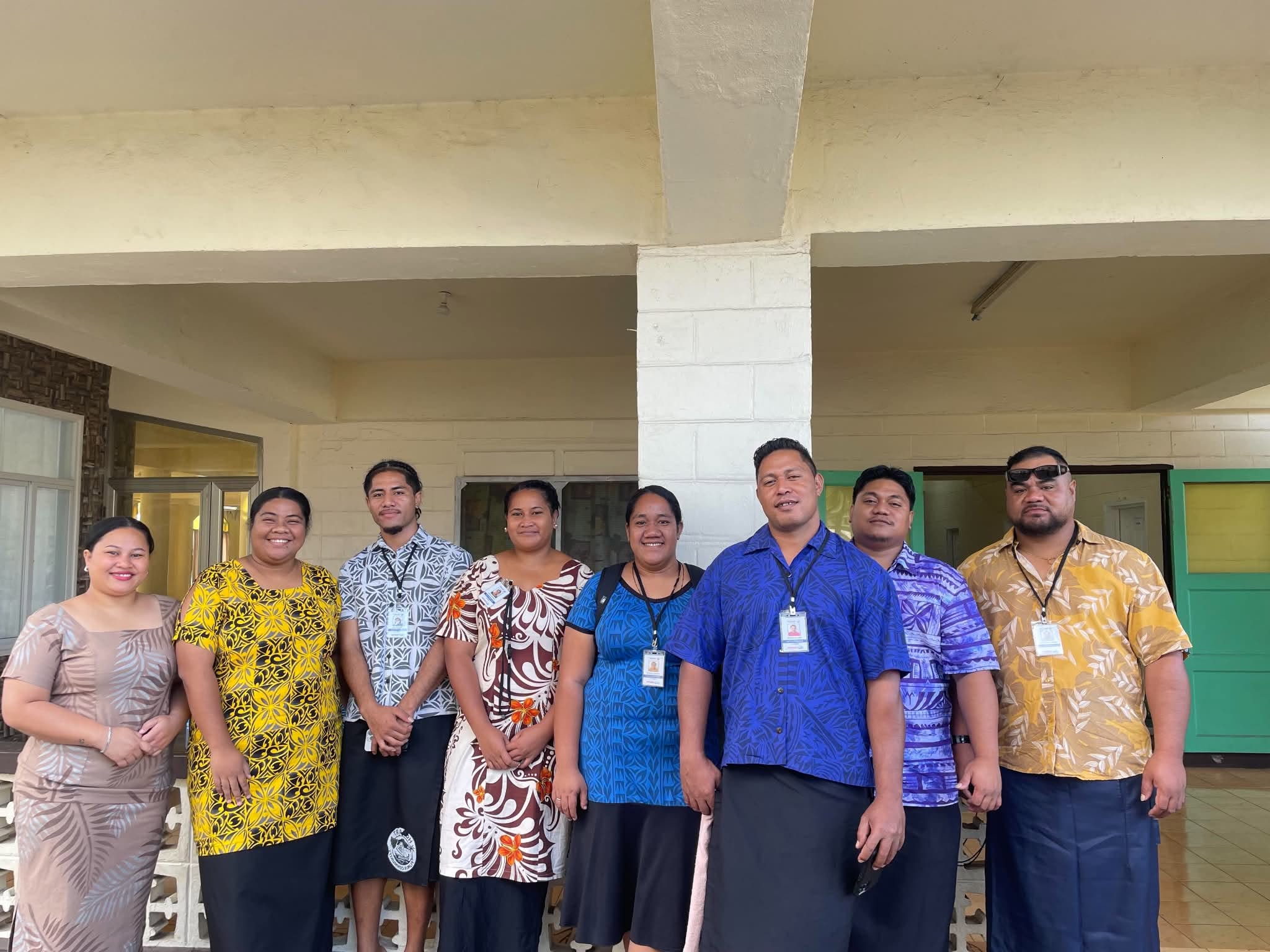
O le 𝗮𝘀𝗼 𝟭𝟯 𝗼 𝗢𝗸𝗲𝘁𝗼𝗽𝗮 𝟮𝟬𝟮𝟲, sa amatlia ai le 𝗧𝘂𝘀𝗶𝗴𝗮𝗶𝗴𝗼𝗮 𝗮𝗹𝗼𝗮𝗶𝗮 a le tatou atunu’u, o lo’o aoina mai ai faamaumauga o tagata ma fale. O lenei galuega o lo’o faatinoina e le 𝗢𝗳𝗶𝘀𝗮 𝗼 𝗙𝘂𝗮𝗶𝗻𝘂𝗺𝗲𝗿𝗮 𝗙𝗮𝗮𝗺𝗮𝘂𝗶𝗻𝗮. E 4 vaiaso o le a fa’atautaia ai lenei galuega i afioaga uma o le atunu’u, ma o nisi nei o ata o le galuega i lona vaiaso muamua.
The 𝗼𝗳𝗳𝗶𝗰𝗶𝗮𝗹 𝗣𝗼𝗽𝘂𝗹𝗮𝘁𝗶𝗼𝗻 𝗮𝗻𝗱 𝗛𝗼𝘂𝘀𝗶𝗻𝗴 𝗖𝗲𝗻𝘀𝘂𝘀 commenced on the 𝟭𝟯 𝗢𝗰𝘁𝗼𝗯𝗲𝗿 𝟮𝟬𝟮𝟲. This important national event is conducted by the 𝗦𝗮𝗺𝗼𝗮 𝗕𝘂𝗿𝗲𝗮𝘂 𝗼𝗳 𝗦𝘁𝗮𝘁𝗶𝘀𝘁𝗶𝗰𝘀 every five years, with the previous Census held in 2021.
Enumeration is scheduled to take place over four weeks, with Census teams working across communities throughout Samoa to collect vital information that will help shape the nation’s future.


